 XXstory
How Do Instagram Story Viewers Work? What They Can and Can't Show
How do Instagram story viewers work? They read public stories and Highlights without login, but cannot open private accounts, recover expired stories, or reveal viewer-list data.
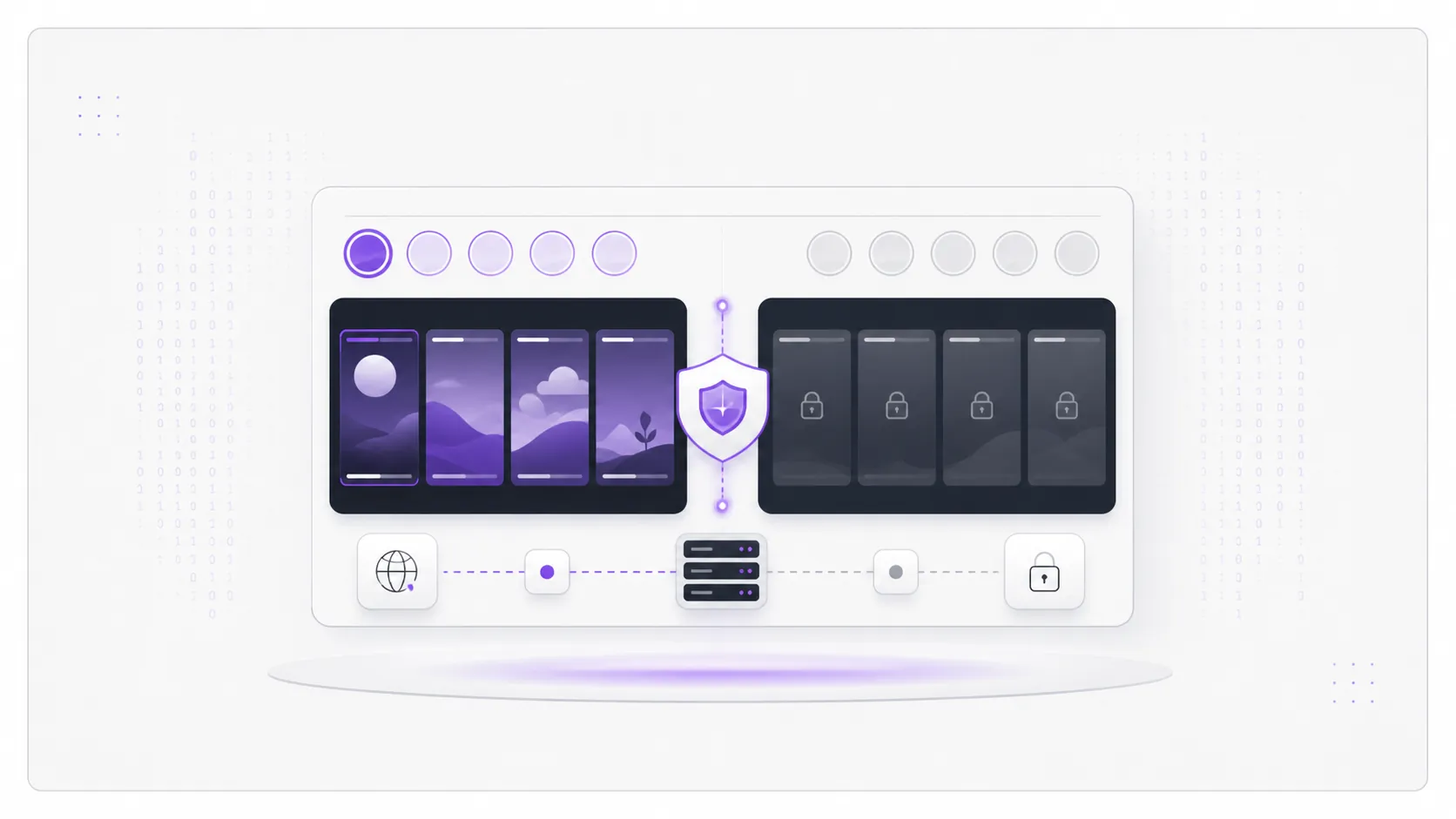
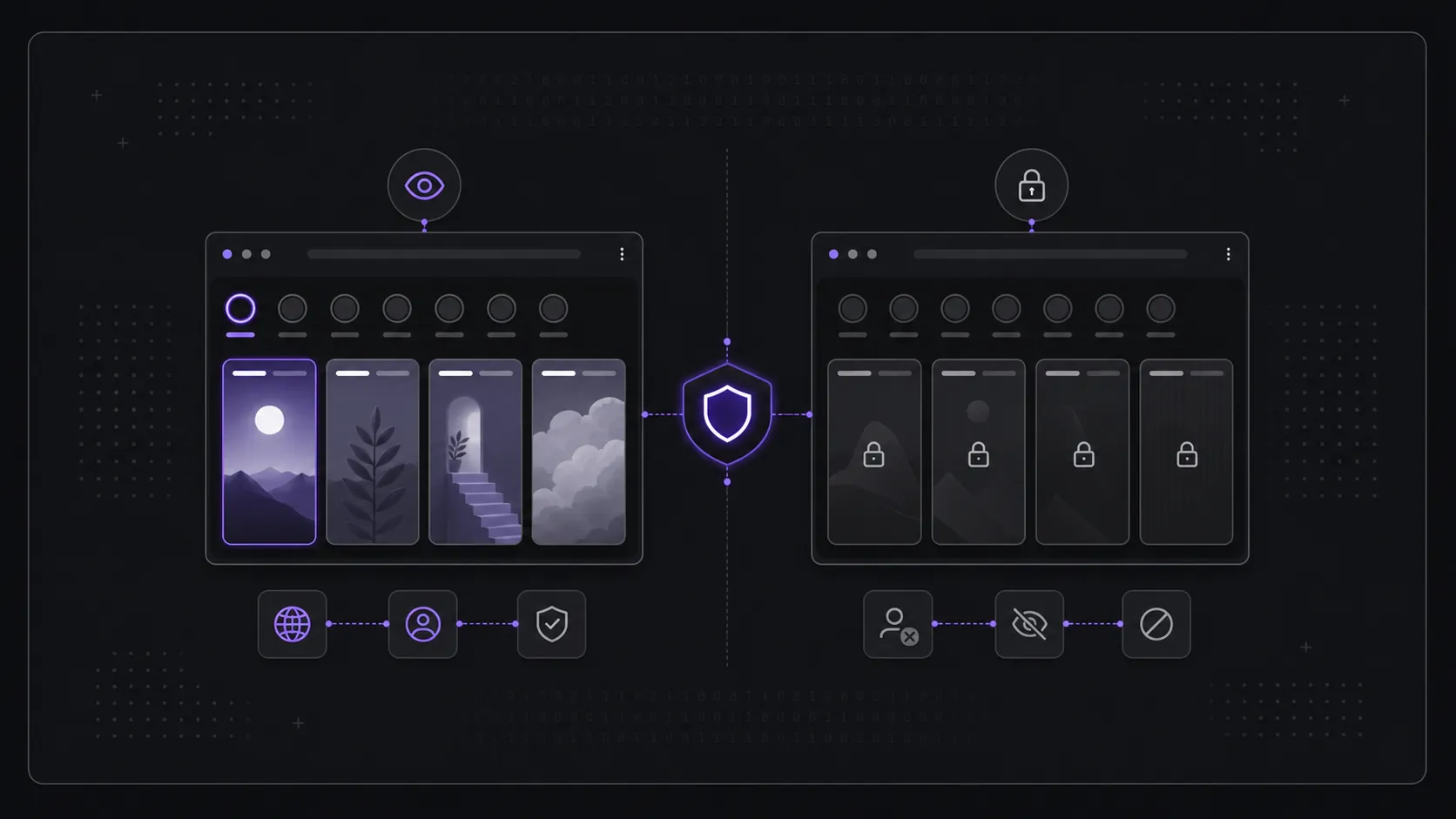
Short answer: An Instagram story viewer is a web tool that takes a public username, reads the stories that account has already chosen to make publicly visible, and displays them in a browser without an app or login. It can show public stories and public highlights — and nothing more. It cannot open private accounts, bring back expired stories, or reveal who viewed yours.
An Instagram story viewer is a simple idea wrapped in a lot of marketing noise. At its core, it reads the public layer of a profile — the same content Instagram already serves to anyone on the open web — and presents it in a tidier, account-free way. Everything beyond that ("secret access," "private unlock," "see who viewed you") is where the claims drift away from how Instagram actually works. This guide draws a clean line between what these tools genuinely do and what they can't.
This page owns the explainer intent: how do Instagram story viewers work? If your question is whether your own account appears in someone's viewer list, use can someone see I viewed their Instagram story. If your question is how no-login anonymous viewing keeps your account out of that list, use view Instagram stories anonymously. If you are choosing between viewer brands, use the best anonymous Instagram story viewers.
What does an Instagram story viewer actually access?
A legitimate viewer reads the same public layer of Instagram you could see while logged out. When a profile is set to public, its active stories and saved highlights are available to anyone, and a viewer simply requests that public content and renders it for you. It never reaches into private data, because private data is never exposed on the public layer to begin with.
Mechanically, the distinction Instagram enforces is account visibility, not the tool you use to look. A public account publishes its stories to an open audience; a private account restricts them to approved followers. A viewer has no special key — it sees exactly what the public web sees. That means three things are true at once: you don't need to install an app, you don't need to create an account or log in, and you're only ever looking at content that was already public. The same logic applies to highlights: a public profile's highlights are visible because the owner published them openly, while a private profile's highlights stay locked to followers.
Third-party viewer vs Instagram viewer list
Search results often mix two different meanings of "viewer." A third-party Instagram story viewer is the tool described here: a public-profile viewer that fetches public stories and Highlights. The Instagram viewer list is the owner-side list inside the app that shows which logged-in accounts watched a story.
Stories are the only Instagram surface that names passive viewers at all. Posts and reels report views and unique viewers as counts and nothing more, which is covered in can you see who viewed your Instagram post.
| Phrase | Real meaning | Best page |
|---|---|---|
| Instagram story viewer | A no-login tool for public stories | This explainer / open the viewer |
| Story viewer list | Owner-side list of logged-in accounts that watched | Can someone see I viewed their Instagram story? |
| Story viewer order | The order Instagram shows accounts in the viewer list | Viewer-list/order intent, not a public tool feature |
| Anonymous story viewer | A no-login public viewer that does not use your account | View Instagram stories anonymously |
That distinction matters for SEO and for safety. A public viewer can avoid using your Instagram account for public stories, but it does not expose someone else's owner-only analytics and it does not explain how Instagram sorts the in-app viewer list.
What does "no login" really mean?
"No login" means the tool talks to Instagram's public surface on your behalf, so you never hand over a username or password to anyone. The trade-off is honest and total: because there's no login, there's no access to anything that requires one — and that's the point, not a limitation to be "unlocked" later.
This matters because login is the exact mechanism Instagram uses to decide who sees private content. When you log in as an approved follower, Instagram's servers check your relationship to the account and release the restricted stories. A no-login viewer deliberately sits outside that system. So any tool that asks you to log in "to see more" is either trying to harvest your credentials or operate your account on your behalf — both of which put your real account at risk. A genuine public-data viewer has no reason to ever request your password, because the public content it shows doesn't sit behind one.
What can a story viewer technically do vs. not do?
A story viewer can fetch and display whatever a public account has live or saved publicly: current stories within their 24-hour window and highlights the owner has pinned to their profile. It cannot cross the visibility boundary Instagram enforces — private stories, expired content, and viewer-identity data all live on systems no public tool can reach.
The honest dividing line maps directly onto Instagram's own privacy model. If something is published openly, a viewer can read it. If something is gated behind a follow approval, a login session, or a closed expiry window, no browser tool can produce it. Here is what that looks like in practice compared to what scam tools advertise:
| Capability | What an honest viewer does | What scam tools claim |
|---|---|---|
| Public account's active stories | Shows them — they're already public | "Exclusive access" (it's just public) |
| Public account's highlights | Shows them — owner pinned them openly | "Hidden highlight unlock" |
| Private account's stories | Cannot open — visibility is restricted | "Bypass private mode" (impossible) |
| Expired stories (past 24h) | Cannot recover — content is gone | "Restore deleted stories" |
| Who viewed your story | Cannot reveal — data is owner-only | "See your secret viewers" |
| Your password | Never asks for it | Asks to "verify" or "log in" |
What are the red flags of a scam story viewer?
The clearest red flag is any request for your Instagram password or a login of any kind — a public-content viewer never needs it. Other warning signs include promises to open private accounts, claims to recover expired or deleted stories, and offers to show who viewed your own story. All of these contradict how Instagram's visibility system works.
A few patterns reliably separate honest tools from traps. Watch for endless "human verification" loops, app downloads or browser extensions demanded before showing anything, and pages that claim a private account is "almost unlocked" if you just complete one more step. These funnels exist to collect credentials, install software, or push survey payouts — not to show you public stories, which require none of that. The reliable mental test is simple: if a feature would require Instagram to break its own privacy rules, no third party can deliver it, no matter how confident the headline sounds. Never enter your password anywhere to "unlock" a feature.
Why can't expired stories come back?
Expired stories can't be retrieved because a story is, by design, temporary public content. Once its 24-hour window closes, Instagram removes it from the public feed it was served on. There is no public address left for any viewer to read, so the content simply isn't available to fetch — not by an honest tool and not by a "recovery" one.
The mechanism is the same one that makes stories appealing in the first place: ephemerality is the feature. While a story is live, it sits on the public layer and a viewer can read it like anyone else. After it expires, the only place a copy might still exist is inside the owner's own account — in their private archive or saved highlights — which is gated behind their login and outside any public tool's reach. If an owner wants a story to persist, they pin it to a highlight, and at that point it becomes public again and a viewer can show it. That's the honest boundary: a viewer reflects what's currently public, not a time machine for what used to be.
What is an Instagram Story Viewer good for?
Stories are public content that vanishes after 24 hours, so a viewer is most useful for checking what a public profile has live right now — quickly, without an app or an account. It's a focused tool: one public username in, the current public stories (and highlights) out, nothing logged on your end.
That makes it handy for a quick look at a brand, creator, or public figure's latest public posts without opening the app or tying the activity to a personal account. Because it only ever surfaces already-public content, there's nothing sneaky about it — it's a cleaner front door to information Instagram already shows the open web. If you're weighing viewing against saving, compare a story viewer vs a story downloader. If you are deciding which no-login viewer to trust, use are Instagram story viewer sites safe.
The honest pitch is unglamorous: a viewer makes public content easier to look at without an app or an account. That's genuinely useful — and it's enough.
FAQ
Do I need an Instagram account to use a story viewer? No. An honest story viewer reads public content directly, so there's no account or login required. If a tool demands you sign in, that's a red flag — public stories never sit behind your password.
How do Instagram story viewers work? They request public story and Highlight data for a public profile, then render that public media in your browser. They do not log in as you, do not approve follow requests, and do not unlock private content.
Can a story viewer open a private account's stories? No. Private accounts restrict their stories to approved followers, and that restriction is enforced by Instagram, not by your choice of tool. No public viewer can cross it.
Can it show me stories that already expired? No. After 24 hours a story leaves the public feed and there's no public copy left to read. The only persistent versions live in the owner's private archive or in highlights they chose to keep public.
Will a viewer tell me who looked at my own story? No. Viewer data belongs to the account owner inside their logged-in app. It isn't part of the public layer, so no third-party tool can produce it.
Is a story viewer the same as the Instagram viewer list? No. A story viewer is a third-party public viewing tool. The viewer list is Instagram's owner-side list of logged-in accounts that watched a story.
Can a story viewer show highlights too? Yes — if the account is public, its highlights are openly published and a viewer can display them, just like active stories.
Ready to see for yourself? Enter a public handle in the Instagram Story Viewer and preview the active stories and highlights that profile is already sharing with the open web. If your goal is to view Instagram stories anonymously, the same no-login flow keeps the request away from your own viewer-list identity.